
Fever
A high temperature: you feel hot to touch on your chest or back.
Feeling unwell? Stay home and call the health hotline before visiting a clinic.Get help
COVID-19 is an infectious disease caused by a coronavirus. Most people who catch it have mild to moderate symptoms and recover without special treatment, but older people and those with underlying conditions are more likely to become seriously ill.

Know the signs
How it spreads

The virus may pass between some animals and people.

Close contact with an infected person spreads it most easily.

Droplets and aerosols linger in poorly ventilated rooms.
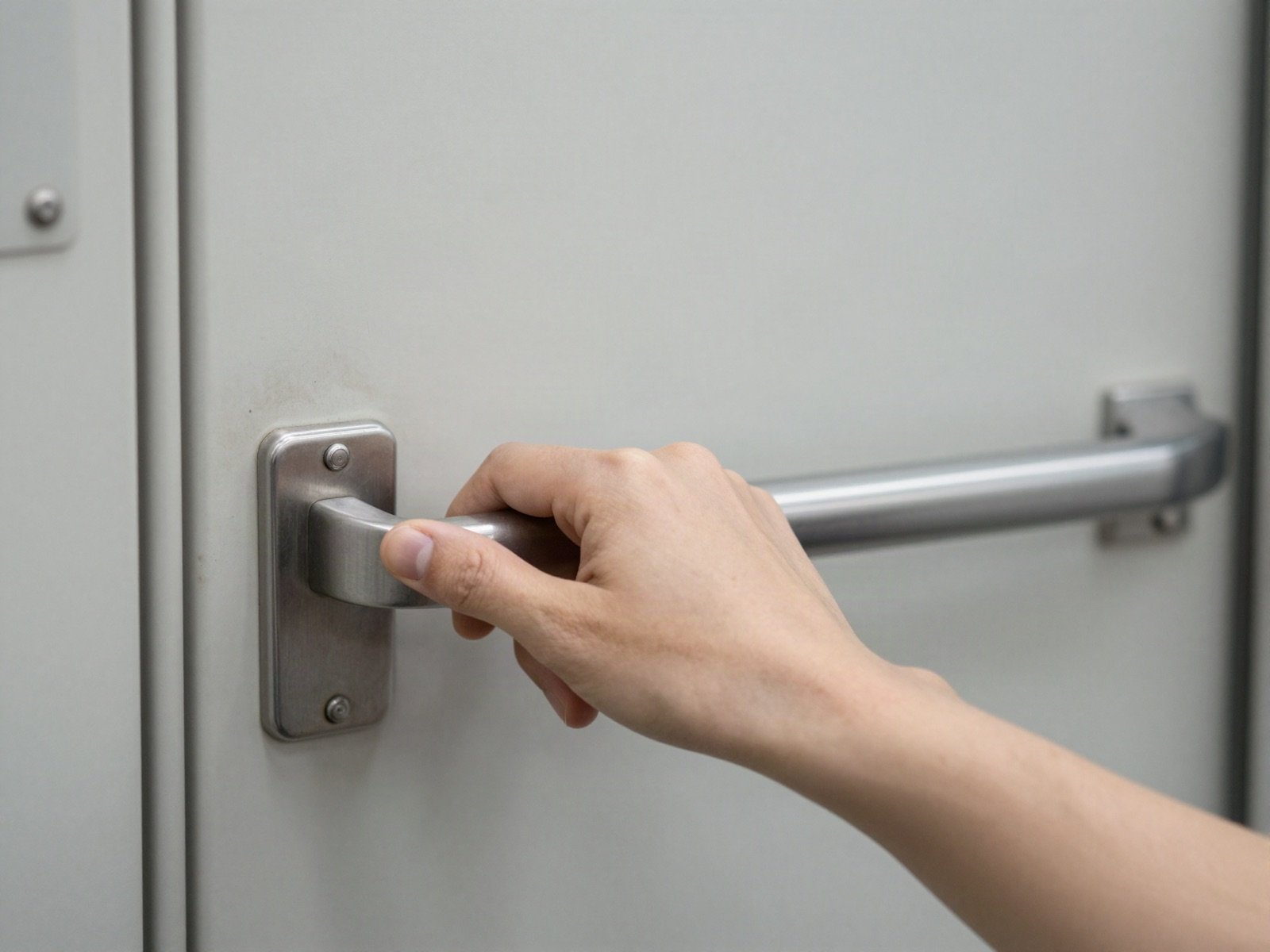
Touching a contaminated surface and then your face.
Prevention
A few simple steps greatly reduce the risk of catching or spreading the virus.
Stay home if you feel unwell and avoid crowded places.
Use a tissue or your elbow, then wash your hands.
Fact: anyone can become seriously ill, although the risk is higher for older people and those with chronic conditions.
Fact: antibiotics work against bacteria, not viruses. Follow your doctor's advice on treatment.
Fact: people without symptoms can still pass the virus on, so keep washing your hands and covering coughs.
Try the template's colours, header, footer and menu. Nothing is saved.